
31
How to juggle buying a new home while selling your current home
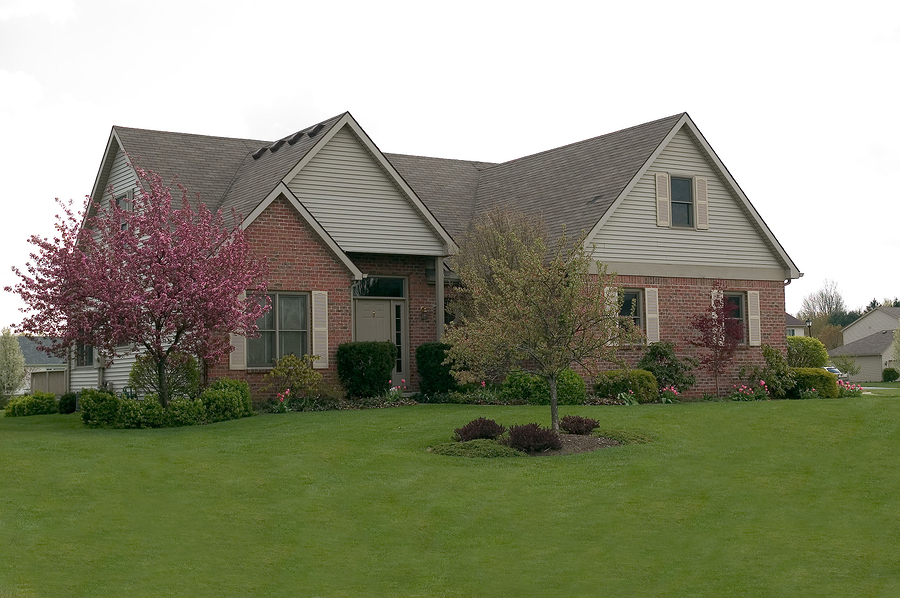
It can be a difficult act to juggle selling your current house and buying a new house at the same time. In a perfect world, you'd sell your current house first before you buy a new one, but the fast-paced nature of today's real estate market can make this difficult.
Still, there are options to help you navigate this tricky transition, and if your Realtor knows your needs, he or she can help you decide which tactics are in your best interest.
Buying with a sale and settlement contingency
A sale and settlement contingency works along the lines of: "My offer for the new house is only good when I have sold my current house."
Because your offer will only be valid if you are able to sell your current home, sellers can sometimes be unreceptive to this type of dea, particularly in this kind of market, when sellers are often receiving multiple offers. However, if you can find a seller that is willing to work with your contingency this can be a great way to deal with your housing situation.
Bridge loans
A bridge loan does exactly what it sounds like it will do. It helps you bridge the financial gap between selling your current home and paying for your new one. However, there are several things to know about bridge loans before you decide to take one:
-
They have a very short repayment period.
-
Terms and conditions vary, but typically, interest rates are relatively high.
-
Your current home is used as collateral.
-
Because a lender assumes slightly more risk on bridge loans, they are difficult to get.
Home equity loans and HELOCS
Home equity loans and home equity lines of credit are very similar to bridge loans in that they use your current equity as collateral. However, their interest rates are better and repayment periods are longer.
Qualifying for a home equity loan can be difficult, because you are required to have a substantial amount of equity in your current house.
Renting out your home
Renting out your old house can be a great alternative to taking out a bridge loan or a home equity loan, especially if you are struggling to qualify for either of the loans. Renting out your house can help you to cover the mortgage while you finalize everything with your new home.
If you decide to pursue renting out your home, be sure to allow yourself some room in the rent to cover the cost of rental insurance, maintenance or any other costs beyond the mortgage payment. You should also consult your tax adviser about the effects of rental income and expenses on your taxes.
There are no perfect answers or solutions to the home buying and selling process, and it can certainly be tricky to navigate. To learn more about your options, call me at (540) 353-0123 or email me at sonya@sonyadickinson.com. Browse my listings here and be sure to like my Facebook page.
Privacy Policy / DMCA Notice / ADA Accessibility


